


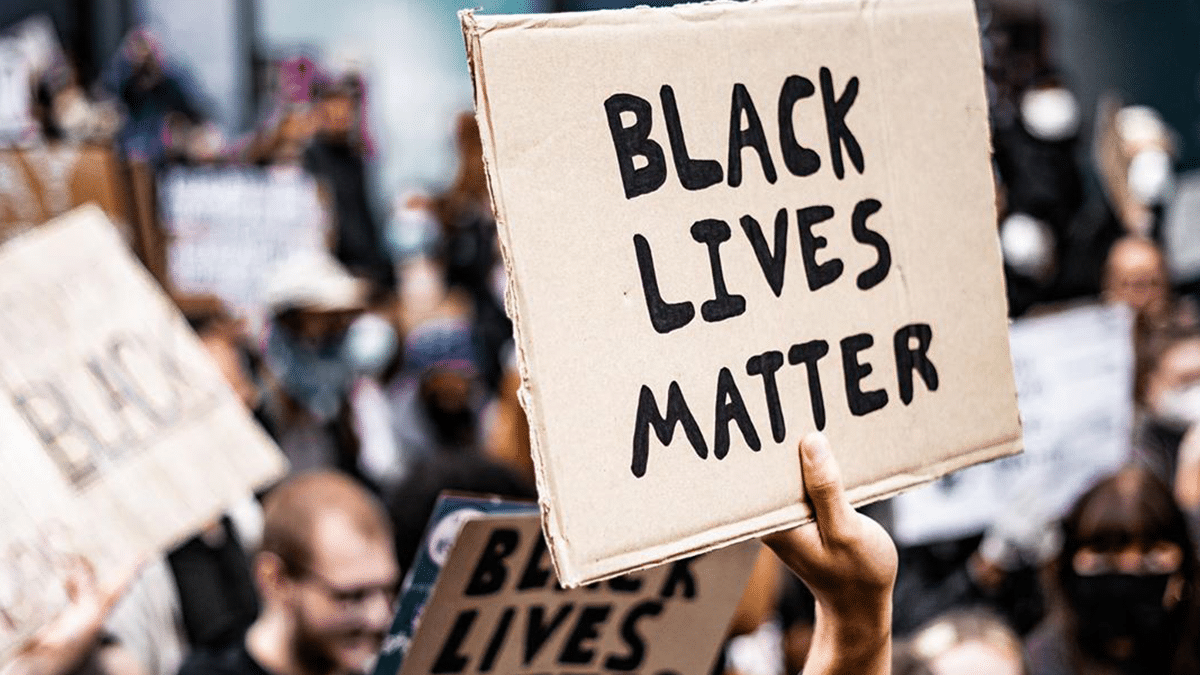
Throughout history, civil rights and peaceful protest have been deeply intertwined. Nonviolent resistance has proven to be one of the most powerful tools for creating lasting change. From the Montgomery Bus Boycott to global movements for equality, peaceful demonstrations have consistently reshaped societies and inspired generations to fight for justice without resorting to violence.
The Philosophy of Nonviolent Resistance
The idea of peaceful protest in civil rights movements is rooted in the philosophy of nonviolent resistance. Leaders like Mahatma Gandhi, Dr. Martin Luther King Jr., and Nelson Mandela championed this approach, believing that moral courage and disciplined protest could dismantle even the most oppressive systems. By refusing to meet violence with violence, activists exposed the brutality of their oppressors while demonstrating their unwavering commitment to justice.
Dr. King’s strategy of nonviolence, influenced by Gandhi’s teachings, became the bedrock of the American civil rights movement. He famously stated, “Nonviolence is a powerful and just weapon, which cuts without wounding and ennobles the man who wields it.” This belief led to some of the most impactful moments in history.
Civil Rights Through Peaceful Protest: Key Moments
The Montgomery Bus Boycott (1955-1956)
Sparked by Rosa Parks’ arrest for refusing to give up her seat to a white passenger, the Montgomery Bus Boycott became a defining moment in the fight for racial equality. African Americans in Montgomery, Alabama, refused to ride city buses for over a year, crippling the transportation system and forcing the Supreme Court to declare segregation on public buses unconstitutional. This movement demonstrated the economic power of peaceful resistance.
The Greensboro Sit-Ins (1960)
Four courageous Black students from North Carolina A&T State University sat at a whites-only lunch counter in Greensboro, refusing to leave until they were served. Their quiet defiance ignited sit-ins across the country, leading to the desegregation of public spaces. It was a simple but bold act that proved how collective, peaceful action could dismantle long-standing discriminatory policies.
The March on Washington (1963)
Perhaps one of the most famous examples of civil rights through peaceful protest, the March on Washington drew over 250,000 people to the nation’s capital in a call for jobs and freedom. It was here that Dr. King delivered his iconic “I Have a Dream” speech, a moment that remains a symbol of hope and unity. This peaceful demonstration helped push the Civil Rights Act of 1964 into law.
The Selma to Montgomery Marches (1965)
Demanding voting rights for African Americans, activists organized a 54-mile march from Selma to Montgomery, Alabama. The first attempt, known as “Bloody Sunday,” ended in violent attacks by law enforcement. However, protesters did not retaliate. Instead, they regrouped, gained national support, and successfully completed the march under federal protection. This effort led to the Voting Rights Act of 1965, securing legal protections against racial discrimination in voting.
The Enduring Impact of Peaceful Resistance
The power of peaceful civil rights protests is undeniable. These movements did not just lead to policy changes; they transformed societal attitudes, exposing injustices that many preferred to ignore. By maintaining discipline in the face of hostility, activists demonstrated the moral high ground of their cause, forcing the world to take notice.
Modern movements continue to draw inspiration from these historic protests. The Black Lives Matter demonstrations, climate strikes, and women’s rights marches have all embraced peaceful methods to amplify their voices. The digital age has further expanded the reach of nonviolent activism, allowing movements to spread rapidly and gain international solidarity.
Why Peaceful Protest Remains Essential Today
Despite significant progress, the fight for civil rights is far from over. Systemic inequalities persist, and new challenges require innovative forms of nonviolent resistance. Civil rights and peaceful protest remain critical tools for addressing issues such as police brutality, economic disparities, and voting rights restrictions.
Nonviolent movements are not just about resistance; they are about creating unity and building coalitions that transcend race, gender, and nationality. They remind us that justice is not achieved through force but through collective, peaceful determination.
Conclusion
The success of civil rights through peaceful protest is a testament to the enduring strength of nonviolence. History has shown that disciplined, nonviolent resistance can topple oppressive systems, inspire legislative change, and awaken the conscience of a nation. From the Montgomery Bus Boycott to present-day activism, peaceful protest remains one of the most effective ways to fight for equality and human dignity.
The journey is not over. As long as injustice exists, the power of peaceful resistance will continue to shape the world.
More Stories
Redefining Civil Rights: More Than Just Equality, It’s Justice
Examples of Historic Civil Rights Victories
Voices Unsilenced: The Untold Echoes of Civil Rights