


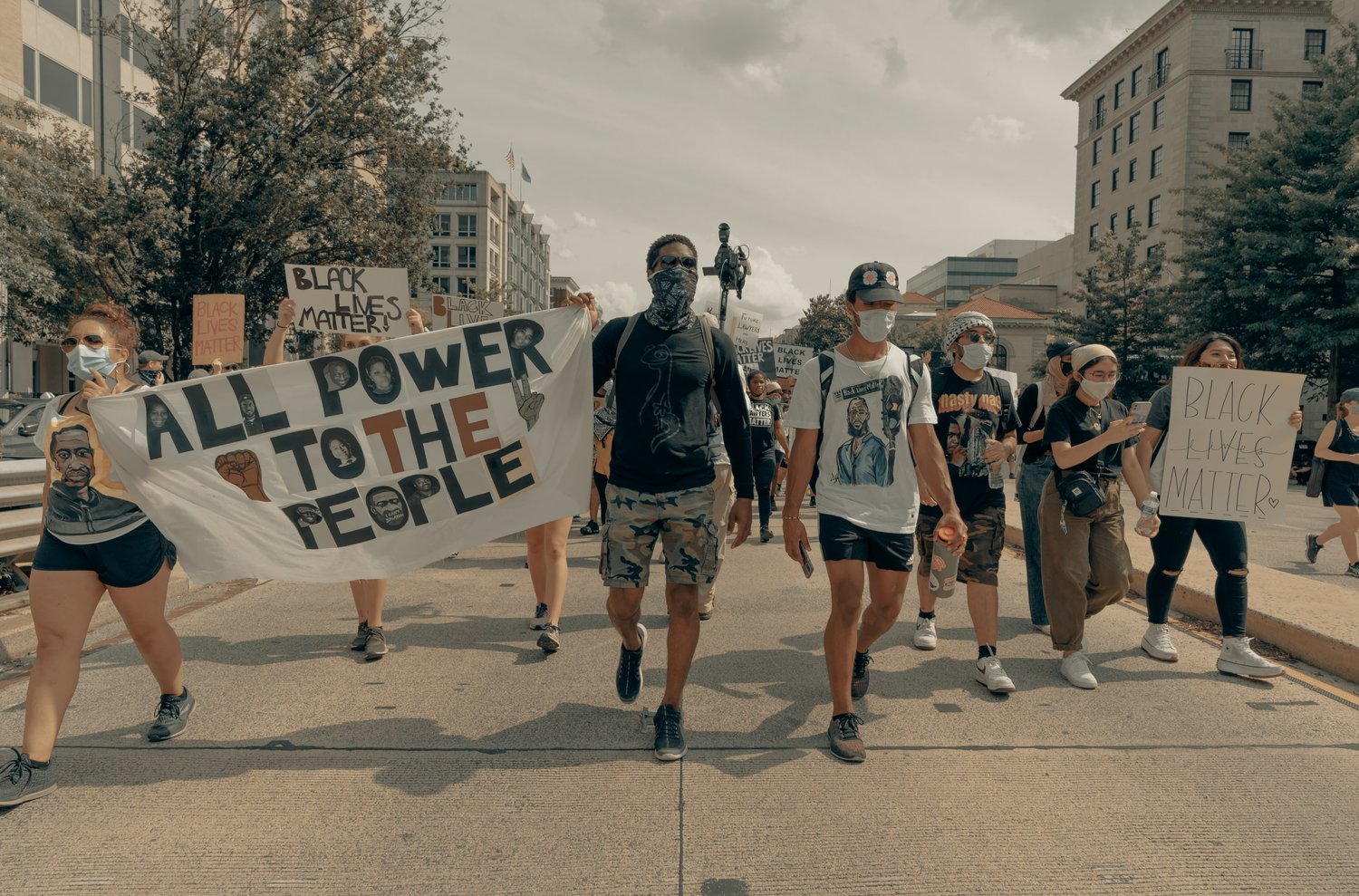
Civil rights are often associated with historic movements, landmark court cases, and political activism. However, their influence extends far beyond legislative victories or iconic protests. The civil rights impact daily life in ways both visible and subtle, shaping how people work, study, interact, and move through society.
From the moment you wake up to the time you go to bed, the freedoms and protections established by civil rights laws ensure fair treatment, equal opportunities, and personal dignity. Whether it’s the right to an education, fair wages, or protection from discrimination, civil rights are deeply embedded in the fabric of everyday experiences.
Workplace Protections and Equal Opportunities
One of the most significant areas where civil rights in daily life play a role is in the workplace. Laws prohibiting discrimination based on race, gender, age, disability, or religion ensure that employees are hired, promoted, and compensated fairly. Without these protections, workplaces could engage in biased hiring practices, wage disparities, and wrongful terminations without consequence.
For example, the Civil Rights Act of 1964 made it illegal for employers to discriminate based on race or gender. This law continues to safeguard employees from workplace bias, enabling a more inclusive and diverse professional environment.
Moreover, protections under the Americans with Disabilities Act (ADA) ensure that individuals with disabilities have access to reasonable accommodations, allowing them to contribute meaningfully to the workforce. These rights ensure that talent, not prejudice, determines professional success.
Educational Access and Fair Treatment
Education is a fundamental right, and civil rights laws guarantee that students of all backgrounds have equal access to learning opportunities. The daily impact of civil rights in schools includes protections against discrimination in admissions, scholarships, and classroom settings.
Students from marginalized communities once faced legal segregation and restricted access to quality education. Landmark cases, such as Brown v. Board of Education, dismantled institutional barriers and paved the way for educational equity. Today, civil rights laws continue to protect students from discrimination based on race, gender, or disability, ensuring that every child has the chance to succeed.
Beyond primary and secondary education, affirmative action policies help create more diverse college campuses, fostering inclusive environments that reflect the broader society.
Protection in Public Spaces
The ability to walk into a restaurant, shop in a store, or receive medical care without discrimination is a direct result of civil rights protections. Before the Civil Rights Movement, segregation laws prevented certain groups from accessing public accommodations. Today, laws ensure that businesses and public services cannot deny service based on race, gender, or disability.
For instance, the Americans with Disabilities Act mandates accessibility in public spaces, requiring ramps, elevators, and other accommodations. These seemingly small details have a profound impact on ensuring that everyone, regardless of ability, can navigate society with dignity and independence.
Voting Rights and Political Participation
The right to vote is one of the most crucial ways in which civil rights affect life. Voting laws ensure that every eligible citizen has the opportunity to participate in the democratic process, shaping policies and leadership that affect daily life.
Before the Voting Rights Act of 1965, discriminatory practices such as literacy tests and poll taxes were used to suppress minority voters. Today, while legal barriers have been removed, challenges like voter ID laws and gerrymandering continue to affect equal access to voting. Civil rights advocacy remains essential to ensuring fair elections and representative government.
Fair Housing and Equal Access to Resources
Where people live, and the resources they can access, are deeply influenced by civil rights protections. Housing discrimination was once a rampant issue, with landlords and banks denying homes to individuals based on race or ethnicity. The Fair Housing Act of 1968 made it illegal to discriminate in renting, buying, or financing a home.
Today, these protections help families secure housing without fear of bias, promoting diverse and integrated communities. Equal access to public resources, such as healthcare, transportation, and social services, is another crucial area where civil rights continue to make a difference.
Digital Rights and Online Protections
As society becomes increasingly digital, civil rights protections are expanding into the virtual world. Issues like online privacy, freedom of speech, and protection from digital discrimination are now critical components of modern civil rights advocacy.
For example, algorithms used in hiring or loan applications must be free from bias to prevent digital-age discrimination. Additionally, internet access is now recognized as an essential right, with efforts to bridge the digital divide ensuring that all individuals can connect, learn, and work online.
The Continued Importance of Civil Rights
While tremendous progress has been made, the fight for civil rights is ongoing. Discrimination, social inequality, and systemic biases still exist, requiring continuous advocacy and legal protections. Understanding the civil rights impact daily life is essential for recognizing the freedoms often taken for granted.
Whether in the workplace, school, public spaces, or online, civil rights shape the modern world. They provide a foundation for fairness, inclusion, and dignity, ensuring that every individual has the opportunity to thrive. By remaining vigilant and engaged, society can continue to uphold these vital protections and move toward a more just future.
More Stories
Redefining Civil Rights: More Than Just Equality, It’s Justice
Examples of Historic Civil Rights Victories
Voices Unsilenced: The Untold Echoes of Civil Rights