


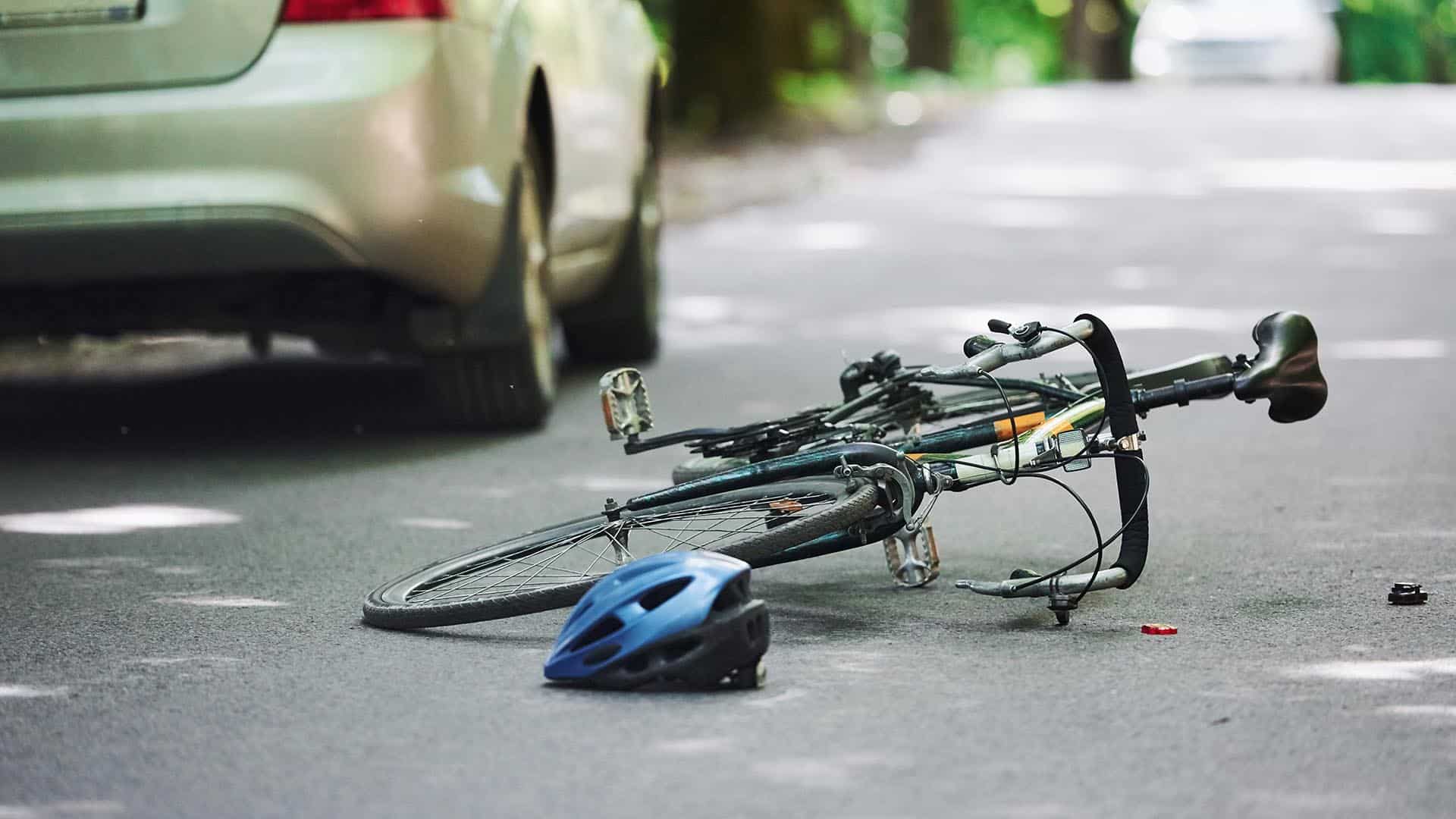
The minutes following a cycling collision can be confusing, especially when traffic continues moving around the injured rider. Small details that seem unimportant at first may later help explain how the crash occurred and who was responsible. Knowing how to document a bicycle accident scene can help cyclists preserve useful evidence before vehicles move, witnesses leave, or road conditions change.
Start With Wide Photos Before Focusing on the Damage
Accident investigators often begin by examining the overall scene rather than individual vehicle damage. Wide photographs help establish where the collision occurred, how the roadway was arranged, and which traffic controls were present. Cyclists who can safely take pictures should capture the intersection, surrounding lanes, nearby businesses, and the positions of involved vehicles. These images provide context that close-up photographs cannot show.
Different camera angles can reveal details that might otherwise go unnoticed. A photograph taken from the cyclist’s direction of travel may show whether parked vehicles blocked the view of an approaching car. Another image from the driver’s position might reveal signs, road markings, or visibility problems. Injured riders should prioritize medical attention and personal safety rather than entering active traffic to obtain photographs.
Look for Physical Clues That Explain the Impact
Scattered debris, tire marks, broken bicycle parts, and scratches on the pavement can help investigators understand how a collision developed. Vehicle damage may also indicate where contact occurred, while a bent bicycle frame or damaged wheel can provide information about the direction of impact. However, these clues do not automatically establish fault. Qualified investigators may need to compare several pieces of evidence before drawing conclusions. Preserving damaged equipment can also help support a bicycle accident claim when insurers dispute how the collision happened.
Record Details That Photos Might Miss
Photographs cannot always capture temporary conditions that contributed to an accident. Cyclists should note whether the roadway was wet, traffic was heavy, or sunlight affected visibility. The time of day, weather, and condition of nearby traffic signals can help explain what drivers and riders could reasonably see. Recording these details soon after the collision reduces the chance of forgetting them.
Witness information deserves particular attention. Someone waiting at a traffic light may have noticed an unsafe turn, while a nearby pedestrian might remember whether the driver stopped before entering the intersection. Names, contact numbers, and brief descriptions of what witnesses observed can help investigators locate them later. A bicycle accident attorney may use these accounts to compare conflicting statements and identify evidence that needs further review.
Why Original Files and Damaged Equipment Should Be Preserved
Editing photographs, deleting blurry images, or replacing damaged bicycle components can unintentionally remove useful evidence. Original digital files may contain timestamps and other information that helps establish when photographs were taken. Keeping copies in a secure location also reduces the risk of losing important records if a phone becomes damaged or unavailable.
The bicycle itself may require examination before repairs begin. Bent forks, damaged brakes, broken lights, and other components can provide clues about the collision or possible mechanical problems. A bicycle accident lawyer may recommend professional inspection when the driver disputes the impact or defective equipment may have contributed to the incident.
Connect the Scene Evidence With Medical Records
A complete accident record includes more than photographs of the roadway. Medical evaluations, diagnostic imaging, treatment notes, and dated injury photographs help document the resulting bicycle injury. Repair estimates, receipts, and employment records can establish related financial losses. These materials become particularly important when an insurance company questions whether the injuries or expenses resulted from the crash.
Getting Help When Accident Evidence Is Disputed
Insurance companies may challenge witness statements, question a cyclist’s actions, or interpret physical evidence differently. Alabama’s contributory negligence rule makes these disputes significant because a cyclist whose negligence contributed to the accident may generally be barred from compensation, subject to recognized exceptions.
Cyclists seeking a bicycle accident lawyer in Huntsville AL can turn to The Lackey Law Firm for legal assistance following a collision. Serving Huntsville, Madison, and surrounding North Alabama communities, the firm helps injured riders investigate accidents involving negligent drivers and disputed liability. Its attorneys review photographs, witness statements, damaged bicycle equipment, and other available evidence to establish what happened and assess potential claims for medical expenses, lost wages, and other accident-related losses.
More Stories
Navigating Justice: Top Legal Updates You Need to Know Right Now
Breaking Legal Waves: Landmark Rulings That Redefine Justice in 2024
Legal Lens: Unraveling the Future of Digital Rights in a 5G World